Sightlines in Retail: How to Guide Customer Attention Across Your Store
Posted On: April 20, 2026 By: blueprint_admin
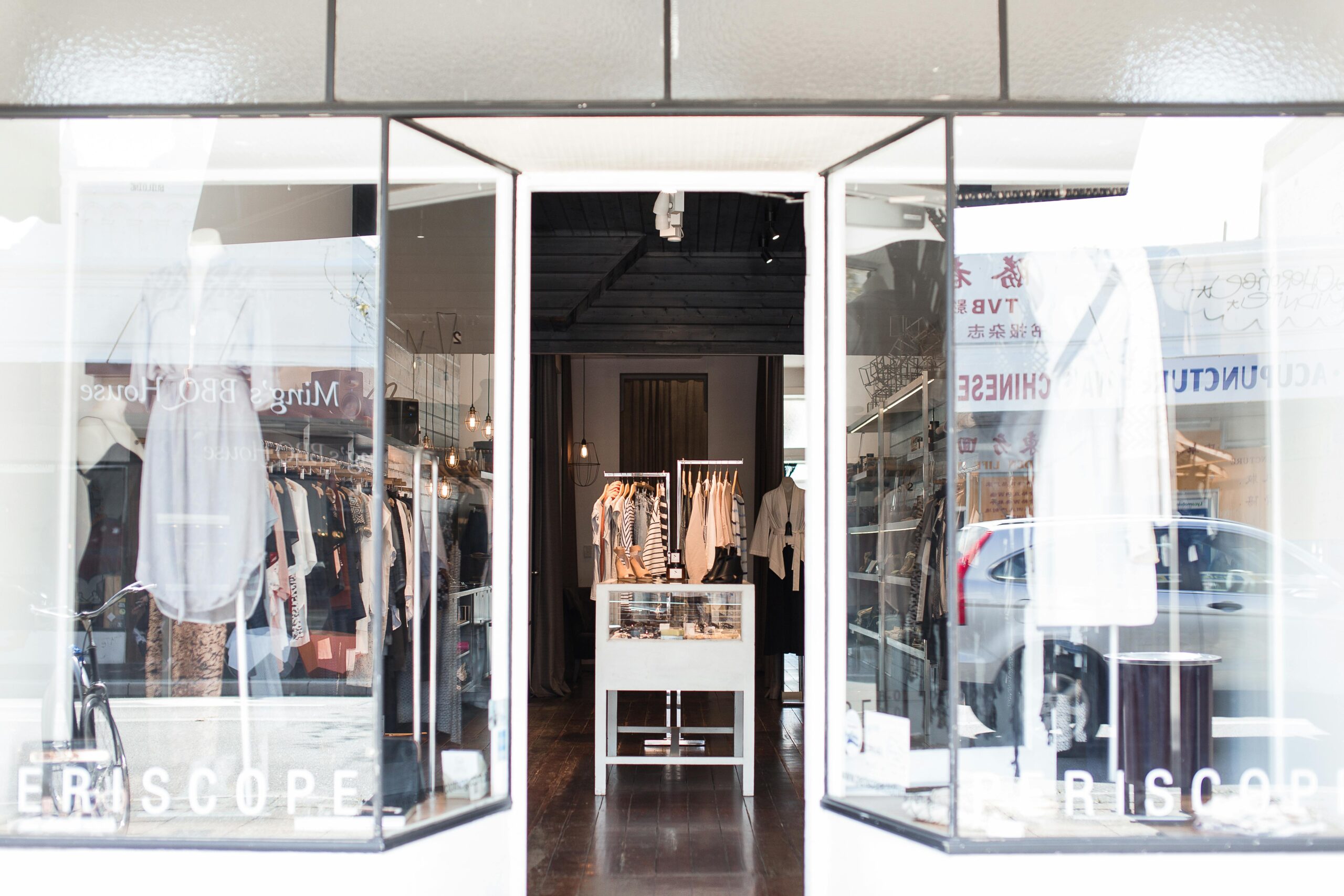
Sightlines in retail are what customers can see from any point in your shop. They shape how people move, where they pause and what they notice. When sightlines are clear, shoppers are able to scan and see whether your shop has what they need. When sightlines are blocked, people miss whole areas and leave sooner than you want.
This guide explains visual pathways, height blocking, fixture placement and how customers scan space, with practical fixes you can apply today.
How customers scan a store
Most people do not read a store like a catalogue. They scan for simple cues: movement, contrast, light and familiar shapes. In the first few seconds they are asking themselves, without thinking, what kind of store this is and where the interesting bits are.
They usually scan in a loose pattern:
- A quick look ahead to judge space and comfort
- A glance to the left and right for a focal point
- A look for a clear route that does not feel awkward
- A stop if something stands out and feels easy to approach
Your job is to make that scanning process easy and rewarding.
What visual pathways are
A visual pathway is the line your eye follows through the store. It is created by open space, lighting, fixture angles and focal displays. You can think of it as an open invitation: it says, come this way, there is something worth seeing.
Good visual pathways link key moments:
- Entrance to the first feature display
- Feature display to the next zone
- Mid store to fitting rooms or service points
- Main floor to the till area
If those links are broken, customers turn back early and never get to see the good stock deeper in the shop.
Height blocking: the most common sightline problem
Height blocking happens when tall fixtures create walls. It might be a high gondola at the end of a run, a tall rack placed too close to the entrance or stacked stock that rises above eye level.
When the view is blocked:
- Customers assume the store is cramped
- They cannot see what is ahead
- They move less and browse less
- Staff spend more time directing people
A simple rule helps: keep the centre of the store lower, and use height at the edges. If your best displays sit behind tall units, many customers will never see them.
Fixture placement that improves sightlines
1) Keep the entrance calm
Give customers space to step in and adjust. Place your first focal display just beyond this area, not right in the doorway. Make sure the route into the store is visible from the threshold.
2) Lower the ends of runs
If you use gondolas or long runs, keep the ends lower so customers can see through. A tall end can look like a barrier, even when there is room around it.
3) Angle one key fixture
A straight line of fixtures can feel like a corridor. Angling a table or rail slightly can lead the eye into the next zone and soften the layout.
4) Use perimeter walls for tall displays
Wall bays can carry height without blocking routes. Use wall systems for more intensive product placement and keep freestanding fixtures lower.
5) Create a clear path to service points
Customers should be able to see the till area and fitting rooms (if you sell clothes) from a distance. If they cannot, they hesitate and they may abandon the visit sooner.
Lighting and contrast
Sightlines are not only about fixture height. Lighting and contrast also grab attention. A bright feature table in a darker corner pulls people in. A spotlight on a mannequin makes the outfit pop instantly. Even simple choices like a lighter backdrop behind dark clothing can make a rail easier to scan.
Keep lighting consistent in main walkways, then use accent lighting for focal points. Avoid glare on signage and glass, as it makes messages harder to read.
Use focal points as visual anchors
A focal point gives the eye somewhere to land. Without them, customers drift. With them, people move from one moment to the next.
Focal points work best when they:
- Sit on a clear sightline from the entrance or main path
- Have height variation so they engage the eye from a distance
- Use simple and clear messaging.
Aim for a simple rhythm across the store. Entrance moment, mid store moment, then a final moment near the back or service area.
Quick sightline checks you can do today
Stand in these three places and take a photo:
- At the entrance looking in
- In the middle looking back towards the door
- Near the back looking towards the entrance
Then ask:
- Can you see the next focal point from each position?
- Do tall fixtures block the view into another zone?
- Is the path obvious without signs?
- Does any area feel hidden or ignored?
If you can spot the problem in a photo, customers will feel it in real time.
Common mistakes that block attention
- Tall fixtures placed right after the entrance
- Overfilled tables that rise into the sightline
- High stock stacks at aisle ends
- Too many signs competing in one view
- Dark corners with no visual pull
Sort your sightlines
Sightlines shape shopping behaviour. Clear visual pathways make customers feel comfortable, and that comfort leads to browsing and buying. Reduce height blocking, place fixtures with purpose and use a few strong focal points to guide the eye. Small changes will often produce a noticeable lift in dwell time and conversion because more of your shop becomes visible and more of your stock gets a fair chance to sell. Browse our Shop for the perfect retail display items to boost your sightlines.
Latest Posts
- Retail Fixture Maintenance: How to Keep…
- Product Adjacencies: How to Merchandise for…
- Sightlines in Retail: How to Guide…
- Visual Merchandising Fundamentals: Key Terms Every…
- Retail Zoning Explained: How to Structure…
- Gridwall vs Slatwall: Choosing the Right…
- Display Plinths Explained: When and How…
- Spring Retail Window Displays: Fresh Visual…
- How to Prepare Your Store for…
- Sports Retail Display Strategies: From Athleisure…