Product Adjacencies: How to Merchandise for Higher Basket Value
Posted On: April 27, 2026 By: blueprint_admin
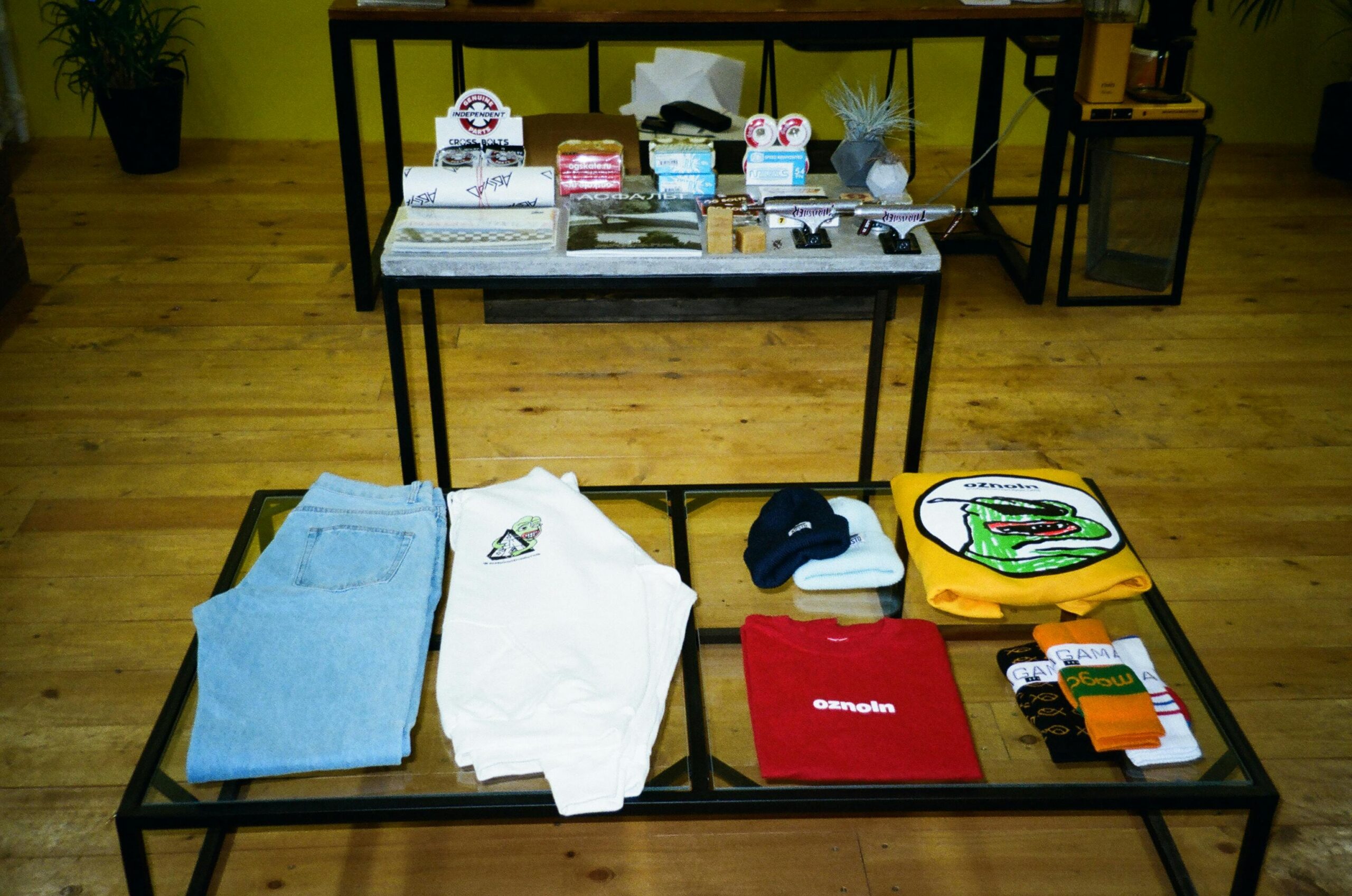
Product adjacencies are simply what you place next to what. Done well, they help customers build a bigger basket without feeling pushed into it. They reduce the effort it takes to make decisions and turn single item shopping into “this plus that” buying.
This article explains how to use adjacencies to lift basket value through cross-merchandising, outfit building, add-ons and simpler decisions.
Why adjacencies work
Most customers do not want more options. They want less effort. When you place related items together, you do the thinking for them. Adjacencies work because they:
- Create useful reminders, like “I need batteries”
- Suggest complete sets, like “this top needs this layer”
- Make gift giving easier, like “add wrapping and a card”
- Speed up decisions, which keeps the shop moving
The key to success here is relevance. If the pairing makes sense, it sells. If it feels random, customers ignore it.
What is cross-merchandising
Cross-merchandising means displaying complementary products together even if they belong to different categories. It is one of the quickest ways to raise basket value.
Good examples:
- Candles next to matches and room spray
- Phone cases next to chargers and screen wipes
- Coffee beans next to mugs
- Lint rollers, fabric shavers and stain remover pens beside knitwear and coats
These groupings feel helpful because they match real life use.
How to do it without clutter:
- Pick one main product, then add one or two supporting lines
- Keep the supporting items small and easy to grab
- Put a clear price on each item, not only on a poster
- Use a small sign that explains the link in plain language
Outfit building for fashion and lifestyle retail
Outfit building is the fashion version of cross-merchandising. You are not selling a jumper, you are selling the full look. Customers often want this guidance, especially during busy periods when they do not have time to experiment.
Start with a hero garment, then add pieces that complete it. Keep the look believable for your local weather and target customer.
Outfit building ideas:
- Coat with scarf and gloves nearby
- Dress with tights and boots in the same zone
- Suit with belt and socks close to the rail
- Gym leggings with sports bra and bottle in one edit
Use mannequins or bust forms where possible. They show proportion and fit in an instant, which speeds up customer decisions.
Add-ons that feel natural
Add-ons work best at moments when customers stop and dwell in your shop. That might be at a feature table, near fitting rooms or in the queue lane. The aim is not to distract, but to offer a useful extra that completes the purchase.
Strong add-on categories include:
- Care items, like lint rollers, garment bags, shoe protectors
- Small gifts, like candles, key rings, lip balm
- Seasonal extras, like umbrellas, hand warmers, sun cream
- Packaging, like gift bags, tissue, ribbon
Add-ons should be low effort. Customers should be able to pick them up without breaking their flow or without having to give them too much consideration.
Simplify decisions with clear bundles
Bundles make adjacencies even more effective. They reduce the need to make too many choices and give a single, clear pricepoint.
Bundle examples:
- Any two accessories for £15
- Starter kit for runners, socks, bottle, energy gel
- Gift-ready set, candle, matches, wrap
Do not bundle too many items. The more complex the bundle, the slower the decision.
Where to place adjacencies for maximum effect
Placement matters as much as the pairing. The best spots are where customers already slow down.
High performing locations:
- Entrance table just beyond the doorway
- Power wall or the first strong wall bay
- End caps at the end of long runs
- Near fitting rooms where outfit decisions happen
- Queue lane where small extras feel easy
You can also use dead corners as adjacency spots if you create a strong pairing opportunity. A quiet corner becomes useful when it has a clear purpose.
A simple method to plan adjacencies
Use a three step approach:
- Pick your hero lines: These are best sellers, seasonal stories or high margin lines.
- List the natural companions: Ask what customers use with it, wear with it or need to finish it.
- Choose one main pairing per zone: Do not try to create an adjacency for everything. Focus on the lines that will really make a difference.
If a pairing sells, repeat it. If it does not, replace it quickly. Small tests help you establish a strategy that works.
Common mistakes to avoid
- Pairings that do not make sense, which looks like clutter
- Too many add-ons in one place, which slows browsing
- No price on the add-on, which reduces the chances someone will buy
- Forcing a high priced extra next to a budget item
- Forgetting replenishment, so your add-on zone looks messy
Manage your product adjacencies
Product adjacencies are a simple way to sell more. Cross-merchandising, outfit building and sensible add-ons help customers make faster choices. In turn, faster choices usually mean higher basket value. Start small, keep your pairings logical and refresh them based on what actually sells.
For help finding the right retail fittings to show them off, browse our Shop.
Latest Posts
- Retail Fixture Maintenance: How to Keep…
- Product Adjacencies: How to Merchandise for…
- Sightlines in Retail: How to Guide…
- Visual Merchandising Fundamentals: Key Terms Every…
- Retail Zoning Explained: How to Structure…
- Gridwall vs Slatwall: Choosing the Right…
- Display Plinths Explained: When and How…
- Spring Retail Window Displays: Fresh Visual…
- How to Prepare Your Store for…
- Sports Retail Display Strategies: From Athleisure…