Visual Merchandising Fundamentals: Key Terms Every Retailer Should Know
Posted On: April 13, 2026 By: blueprint_admin
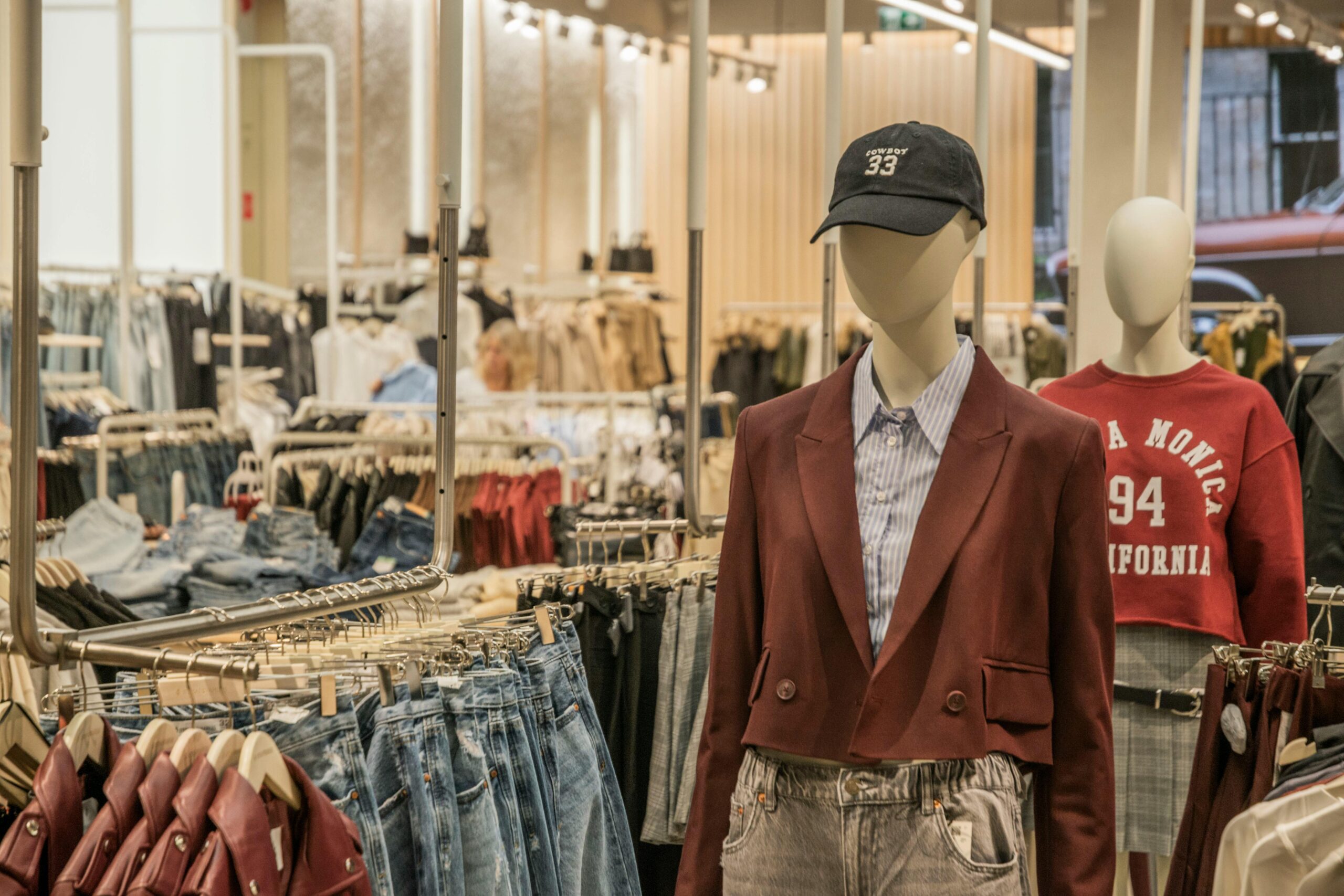
Visual merchandising can sound more complicated than it needs to be. Most of it comes down to one idea: make the shop easy to understand and pleasant to shop in. When customers can see what you sell, where to go next and what is worth noticing, they stay longer and buy with more confidence.
This blog breaks down a few core terms into plain language. You can use them when planning layouts, setting up feature zones or briefing staff.
Sightlines
Sightlines are what customers can see from a given spot. Good sightlines help people feel orientated. They reduce the sense of clutter and they guide shoppers towards your best areas.
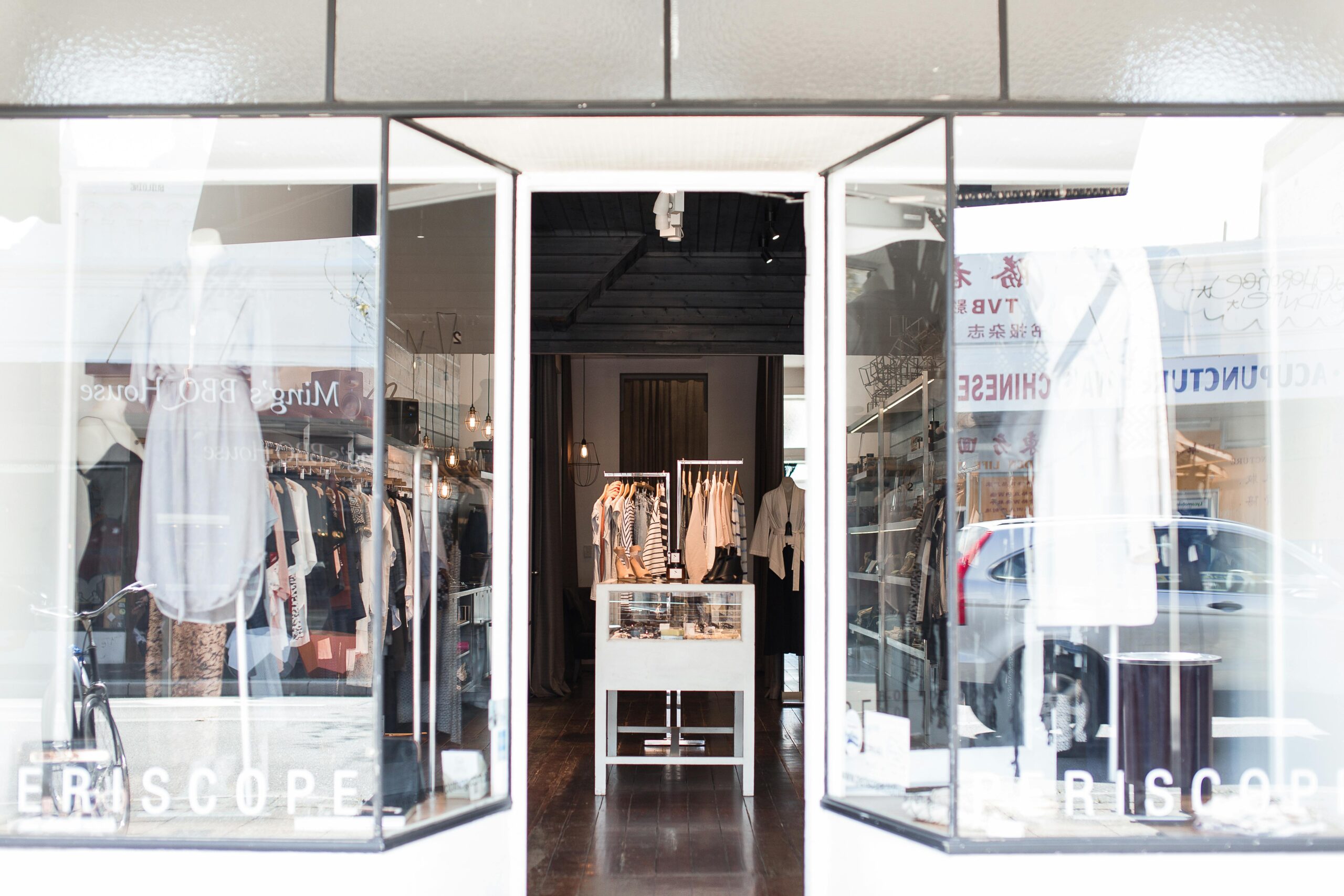
A simple test is to stand at the entrance and look into the store. Can you see a full, clear display? Can you see the route into the next zone? If tall fixtures block your view, customers may not explore as far as you want.
How to improve sightlines:
- Keep the entrance clear for a few metres
- Place tall fixtures away from aisle ends
- Angle one unit slightly to lead the eye deeper into the stor
Focal points
A focal point is a display designed to grab attention. It is the thing your eye lands on first. Focal points help you tell customers what is important today, such as new lines, a seasonal story or a key offer.
A focal point can be a table, a mannequin group, a wall display or a plinth setup, for example. It works best when it has a clear message and a tidy structure.
A good focal point usually has:
- One hero product or a small group
- Height variation so it engages the eye
- Clear communication over pricing.
Zoning
Zoning means dividing your shop into clear areas based on things like categories or purpose. It helps customers find what they want without having to hunt for too long. It also helps your staff replenish faster because each area has a clear role.
For example, you might have a front zone for new products, a mid zone for core ranges and a back zone for higher value or destination categories. You can also build zones around missions, like Workwear, Weekend, Gifting or Outdoor, for example.
Signs your zoning needs work:
- Customers regularly ask where to find items
- Products feel scattered across the store
- Best sellers are hidden in low traffic areas
Adjacencies
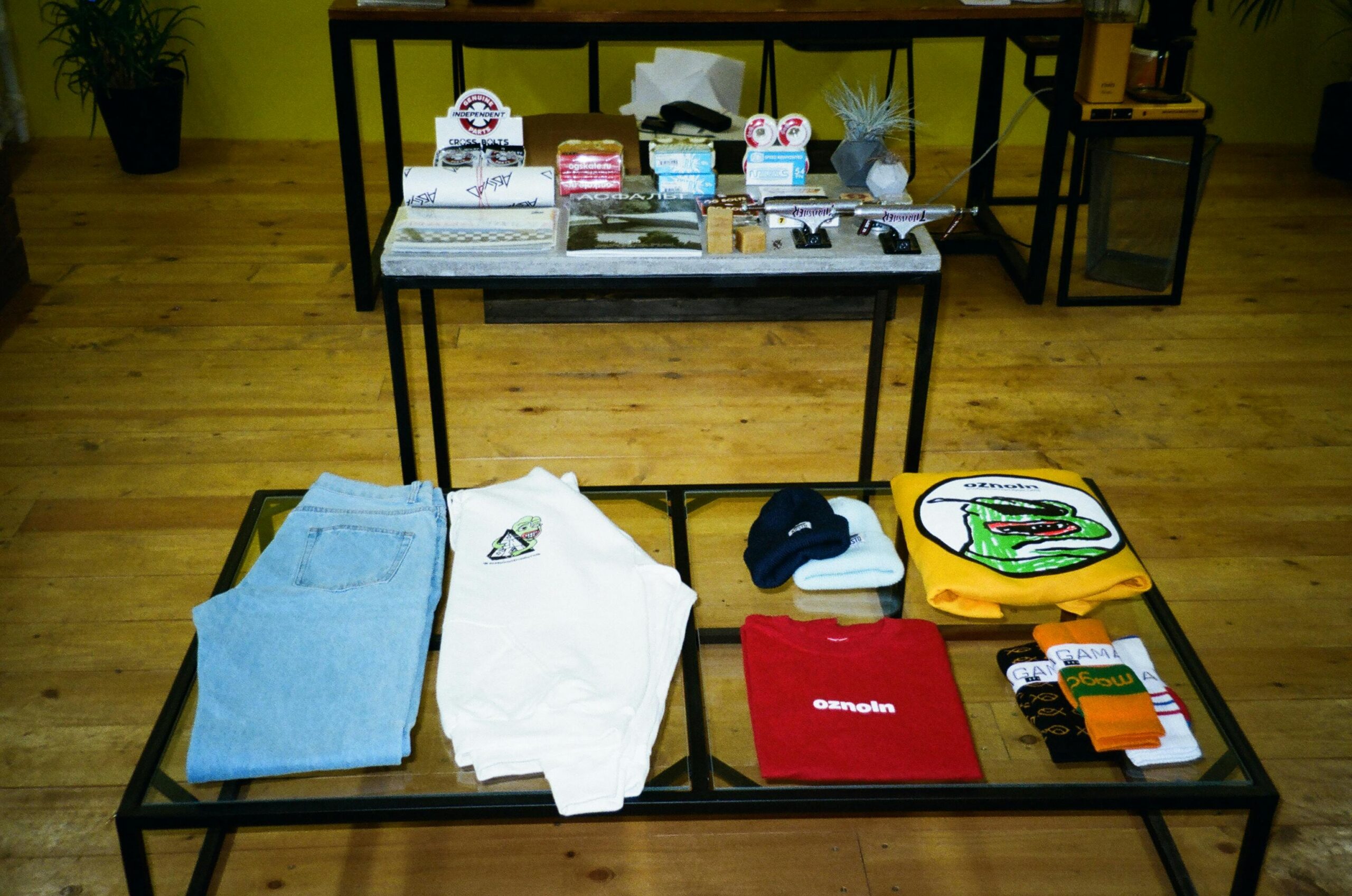
Adjacencies means placing items that belong together close to each other. It is one of the easiest ways to lift your average basket value because it makes add-ons feel natural for customers.
- In clothing, that might mean placing scarves near coats or socks near footwear, for example.
- In gifting, it might mean candles near matches and gift bags.
- In sports retail, it might mean placing water bottles near gym gear.
Adjacencies should feel helpful. If the pairing makes sense, shoppers buy more without feeling pushed into it.
Dwell time
Dwell time is how long customers spend in your store, or in a specific area. Longer dwell time often means more browsing, they discover more and there is a higher chance of purchase.
You can increase dwell time by making the environment comfortable and easy to navigate. Small pockets where people can pause also help, such as a mirror near footwear or a feature table that invites them to touch the products and get a feel for them.
Ways to improve dwell time
- Reduce clutter so browsing is a calm experience
- Use clear signs so customers feel confident in where they are going
- Create one or two pause points away from the main walkway
Flow
Flow is how customers move through the space. Good flow feels natural. Poor flow causes bottlenecks, awkward turns and dead zones.
A simple flow problem is an entrance blocked by a rack, or a narrow aisle that forces people to turn sideways. When you have smooth flow, customers explore further and staff can work without constant disruption.
Decompression zone
The decompression zone is the area just inside the entrance. People use it to adjust from outside to inside. If you place too much product here, customers miss it because they are not ready to browse yet.
Keep this area open. Put your first focal display just beyond it.
Hotspots and cold spots
Hotspots are areas that naturally get attention and foot traffic. Cold spots are the places customers tend to miss.
- Hotspots are often near the entrance, near the till and at the end of an aisle.
- Cold spots are often corners, deep areas at the back of the shop and spaces blocked by tall fixtures.
You can warm up a cold spot with a small focal display, better lighting or clear signage that gives customers a reason to go there.
Facing
Facing means how many units of a product are presented at the front of the shelf or rail. More facings usually mean higher visibility, which can lift your sales. It also makes the store look well stocked.
Use facings to support your priority products. Give best sellers more space and reduce space for slow movers.
Better visual merchandising is here
Visual merchandising is not about fancy language. It is about helping customers shop with less effort. When you understand these fundamentals, you can brief your staff clearly, plan your displays faster and build a shop that sells well every day. The Retail Factory is an expert in this field and we have all the right products to boost your visual merchandising. Browse our shop to find what you need.
Latest Posts
- Retail Fixture Maintenance: How to Keep…
- Product Adjacencies: How to Merchandise for…
- Sightlines in Retail: How to Guide…
- Visual Merchandising Fundamentals: Key Terms Every…
- Retail Zoning Explained: How to Structure…
- Gridwall vs Slatwall: Choosing the Right…
- Display Plinths Explained: When and How…
- Spring Retail Window Displays: Fresh Visual…
- How to Prepare Your Store for…
- Sports Retail Display Strategies: From Athleisure…