Retail Zoning Explained: How to Structure Your Store for Better Flow
Posted On: April 6, 2026 By: blueprint_admin
Retail zoning is simply the way you divide your store into clear areas that guide customers naturally from the door to the till. When zoning works, people feel relaxed, they find what they need faster and they see more of your range without feeling pushed into buying.
When it does not work, customers hesitate, staff get the same questions all day and good products sit in the wrong place, unsold.
This guide explores the decompression zone, the power wall, hotspots and transition zones, demonstrating how they influence customer movement around your shop.
Why zoning improves flow
Most shoppers do not enter a store with a map in mind. They follow cues. Those cues include what they can see, where the light is strongest and where the displays feel easiest to browse.
Zoning gives structure to those cues. It:
- Reduces friction
- Prevents bottlenecks
- Helps you place best sellers in positions where they get seen.
Zoning also makes operations easier. If each area has a purpose, it is quicker to replenish and easier for new staff to understand where things belong.
The decompression zone: the first few metres inside
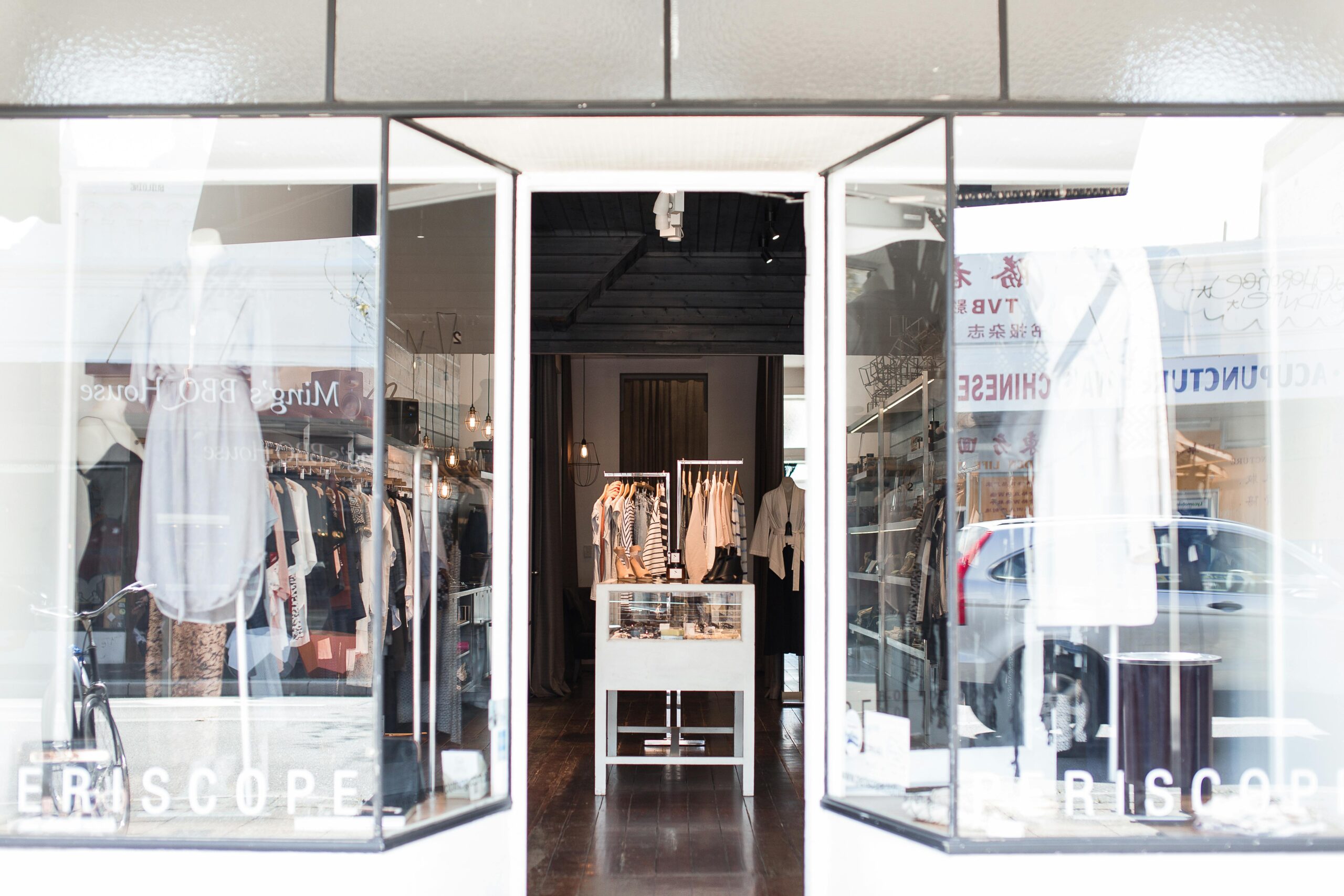
The decompression zone is the space just inside the entrance. People use it to adjust from the street to the store. They are not ready to browse properly yet. If you cram this area with products, much of it will be ignored. It can also create a physical barrier that makes the store feel cramped.
A good decompression zone feels open. It gives customers room to pause and take in the space. Your first strong display should sit just beyond it, where shoppers are ready to engage.
How to set it up
- Keep the first few metres clear of bulky fixtures
- Avoid placing dump bins or busy promo tables right in the doorway
- Use clean flooring and lighting to create a welcoming feel
- Place your first focal display slightly deeper in the store
The power wall: your first big chance to impress
The power wall is the wall customers see first when they enter, often to the right in many UK stores, but it depends on your entrance and layout. It is prime real estate. Customers notice it early and it shapes their impression of your brand and pricing.
Use the power wall to show newness, best sellers, seasonal edits or a strong brand story. It should look intentional, not like overflow storage.
What works well on a power wall:
- A clear category story, such as new season, gifting or best sellers
- Face-out product presentation where possible
- Clean signage that guides customers to buy with confidence
- Lighting that lifts key products and avoids shadows
You can use slatwall or gridwall that allow you to swap accessories in and out with ease, helping you keep this important display fresh.
Hotspots: where customers naturally pause
Hotspots are areas that naturally attract attention and foot traffic. They are where people slow down, browse or change direction. If you place the right product in a hotspot, sales usually lift without extra effort.
Common hotspots include:
- Just beyond the decompression zone
- The power wall
- The ends of aisles
- Near fitting rooms
- The queue lane and till area
Your job is to use hotspots for your priorities. If a hotspot is filled with low value clutter, you are wasting a potentially high performing space.
Transition zones: guiding customers from one area to the next
Transition zones are the areas between key parts of the store. But many retailers ignore them. They matter because they carry momentum. A good transition zone helps customers move from browsing into deeper parts of the shop without feeling lost.
Think of transitions like signposts. They can be a small table, a narrow wall display or a simple category header that reassures people they are in the right place.
Good transition zones do two things:
- They confirm what is next, such as Menswear ahead, Homeware left
- They offer a small reason to pause, such as a featured item or a simple edit
If your transition zones are empty or confusing, customers often turn back early, which reduces dwell time and weakens the shop flow.
Building a simple zoning structure
Most shops can benefit from a clear structure that repeats across seasons. You do not need lots of zones. You need the right ones in the right order.
A practical structure is:
- Decompression zone at the entrance
- First focal display just beyond it
- Power wall set to exciting new products or best sellers
- Core category zones in the middle of the store
- Destination zone deeper in the store for higher value or specialist ranges
- A tidy queue zone with small add-ons
This structure gives customers an easy path and keeps your strongest offers visible.
How zoning impacts movement
Zoning influences movement because it shapes what customers see and what they expect next. If the store feels clear and logical, people explore further. If the store feels messy or confusing, people leave before they find the items they need.
You can improve movement by making small adjustments:
- Angle one unit to lead eyes deeper into the store
- Lower tall fixtures that block sightlines
- Move best sellers into hotspots
- Use signage to confirm categories and direction
- Reduce clutter at the entrance and in transitions
A quick zoning audit you can do in 20 minutes
Walk through the shop and answer these questions:
- Is the decompression zone open and calm?
- Is the power wall strong, tidy and easy to read?
- Do hotspots carry best sellers, new items or seasonal stories?
- Are transition zones guiding customers deeper or turning them back?
- Are there bottlenecks in aisles or near the till?
- Is the queue lane straightforward, with simple add-ons and clear prices?
Take two photos from the entrance, one looking left and one looking right. You will spot blocks and clutter quickly.
Improve retail zoning
Retail zoning is not about complicated layouts. It is about creating a clear, calm journey that makes shopping easier. A strong decompression zone helps customers settle. A good power wall sets the tone. Hotspots and transition zones carry momentum and guide people deeper. When these elements work together, your flow improves, you increase dwell time and, usually, this leads to improved sales. Browse our Shop to find the retail display items you need to create compelling zones that convert!
Latest Posts
- Retail Fixture Maintenance: How to Keep…
- Product Adjacencies: How to Merchandise for…
- Sightlines in Retail: How to Guide…
- Visual Merchandising Fundamentals: Key Terms Every…
- Retail Zoning Explained: How to Structure…
- Gridwall vs Slatwall: Choosing the Right…
- Display Plinths Explained: When and How…
- Spring Retail Window Displays: Fresh Visual…
- How to Prepare Your Store for…
- Sports Retail Display Strategies: From Athleisure…