Mannequin Psychology: How Body Form Selection Influences Customer Buying Behaviour
Posted On: February 7, 2026 By: blueprint_admin
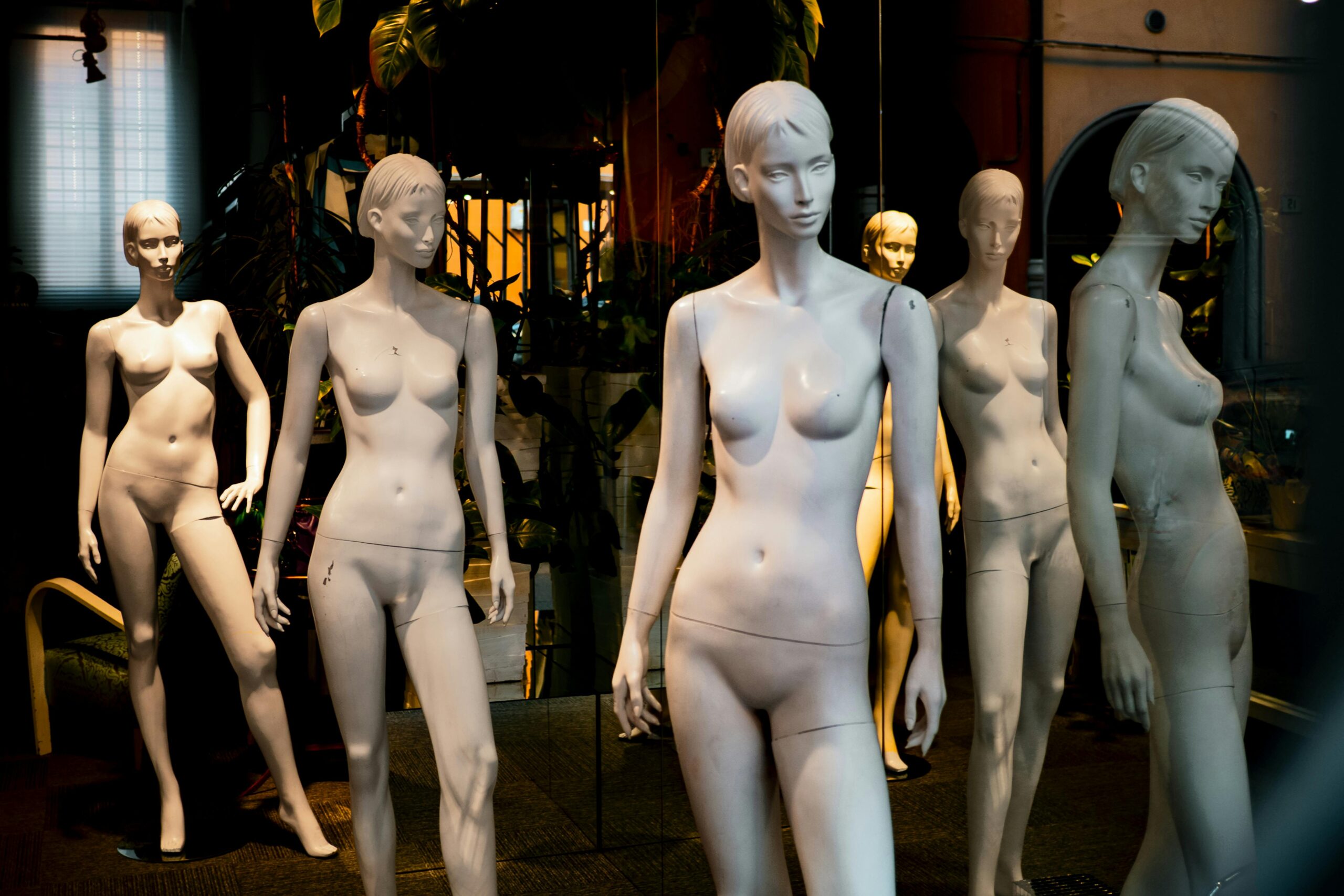
Mannequins are not just props. They are an important part of retail psychology. They provide visual shortcuts that help customers imagine the fit of the clothes and how they align with their lifestyle and identity in a few seconds.
- When the right body form is placed in the right spot, shoppers understand what you sell, who it is for and how to wear it.
- When the form is wrong, the same product can look awkward, overpriced or simply easy to ignore.
This simple mannequin selection guide supplies clear buying advice for retailers sourcing display mannequins in the UK. It also shows how The Retail Factory’s mannequin range can support different store types and seasonal campaigns.
Why mannequins influence buying behaviour
Customers do not browse logically in busy stores. They scan for meaning. Mannequins provide that meaning by answering questions instantly: What does this look like on a body? Is it smart, casual, sporty? Would it suit me?
Three psychological effects show up repeatedly in store behaviour:
- Reduced effort
A styled mannequin lowers the work needed to imagine an outfit. Less effort usually means quicker decisions.
- Social proof, without the crowd
A mannequin suggests “this is how people wear it”, especially when styling looks current and believable.
- Anchoring perceived value
A clean, premium mannequin can make the same garment feel more premium. A scuffed, mismatched, or badly posed form can do the opposite.
The main body form choices and what they signal
Realistic mannequins
Realistic forms help customers judge proportion, drape and length. They are especially strong for tailoring, occasionwear, outerwear and anything where fit is key.
They also create a more human, relatable feel, which can help conversion in mainstream fashion and family retail. The trade-off is that they can feel more “literal”, so they need careful styling and good maintenance.
Abstract or headless mannequins
Abstract forms feel contemporary and keep attention on the clothing rather than facial detail. They often suit premium minimal stores, concept retail and brands that want a cleaner aesthetic.
Psychologically, they reduce distraction. That can be useful when you want the customer to focus on fabric, colour and silhouette for example. They are also practical when you rotate looks often because they stay visually consistent across seasons.
Torso and bust forms
Torso forms create a “wearable” cue without taking full floor space. They work well near tills, on tables or in accessory zones.
They are also ideal when you want to test themes quickly, for example gifting edits, knitwear moments or coordinated accessories.
Poseable mannequins
Action poses create energy. They are brilliant for sportswear, outdoor and youth-driven categories because they suggest performance and lifestyle rather than static fashion.
The caution is stability and space. A dynamic pose needs a safe footprint, clear walkways, and regular checks to keep it looking sharp.
Size, shape and inclusivity: the psychology of “that could be me”
Customers buy faster when the display feels attainable. If every mannequin looks like a single, narrow ideal, some shoppers mentally opt out, even if the product fits them. A more inclusive mix can improve engagement and reduce the “this isn’t for me” moment.
This does not require a full overhaul. Even one inclusive form in a key focal area can change the tone of a space, especially when it is styled confidently, not treated as a side note.
Head, hands, and detail: small choices that change attention
Heads and facial features draw the eye. That can be useful if your brand uses strong lifestyle cues, but it can also distract from product details. Headless or abstract options keep the focus on garments, accessories and price cues.
Hands matter too. If you sell bags, gloves, jewellery, or tech accessories, good hand positions make add-ons feel natural. If hands are missing or awkward, the styling opportunity is lost.
Placement matters as much as the mannequin
A mannequin only influences behaviour if customers see it early enough and in the right context.
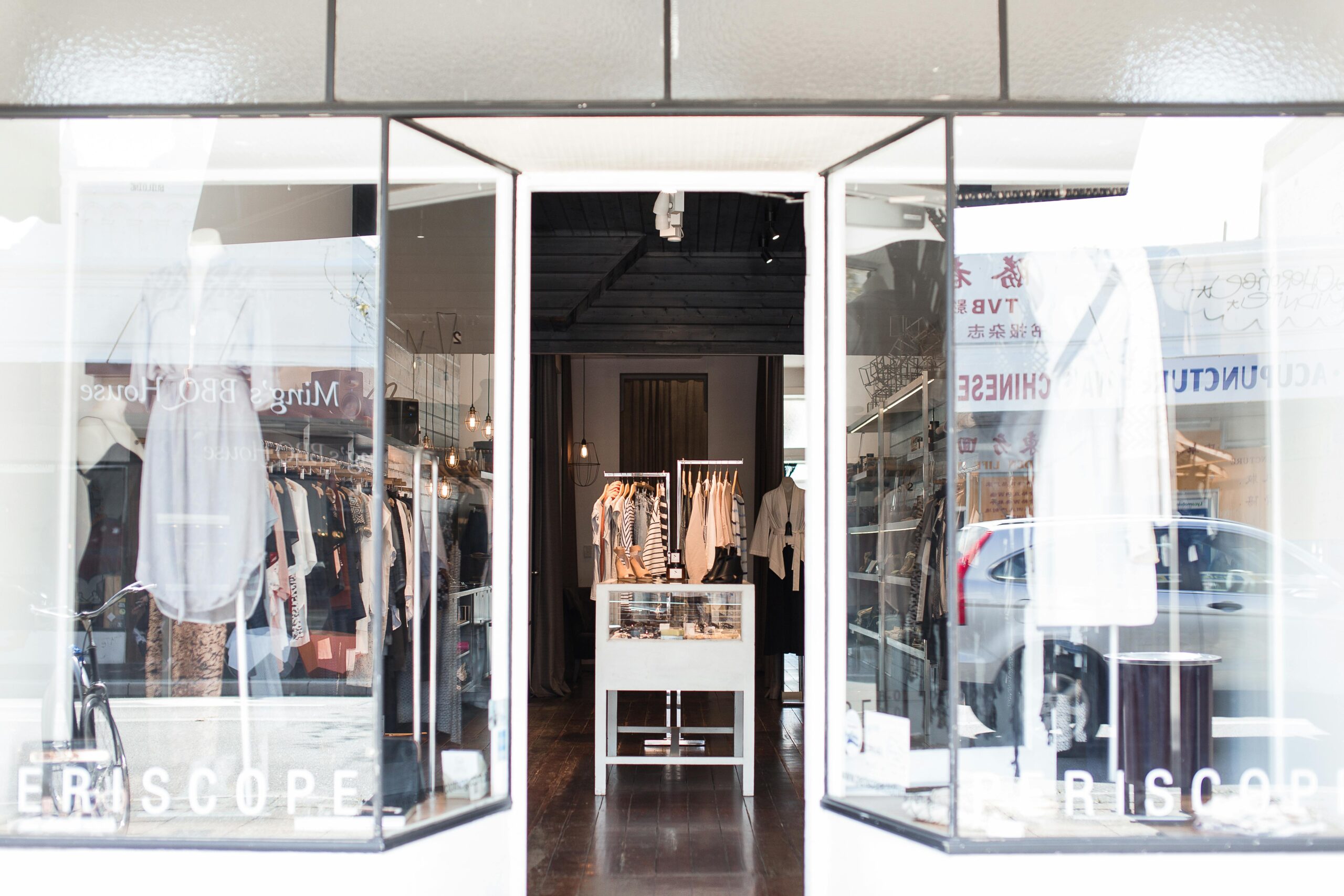
- Window: use a hero form that tells the seasonal story from a distance
- Entrance: show your “best definition” outfit, something that explains your store in one look
- Hotspots: near fitting rooms, at the end of a run, beside a feature table
- Queue zone: torso forms or small displays that prompt simple add-ons
Keep sightlines clean. A great mannequin blocked by clutter becomes background noise.
A practical mannequin selection guide for your store
Use these prompts to choose what to buy or hire.
- If you sell premium fashion or tailoring
Choose realistic or clean abstract full-body forms and pair them with plinths for height. Keep poses calm and confident.
- If you sell sportswear or outdoor
Choose poseable or athletic forms with movement. Use accessories that signal the sport, but keep the scene tidy so it reads fast.
- If your store is small, or changes weekly
Use torso forms and a smaller number of full-body mannequins. Aim for consistency in finish so the space feels calm even when products rotate.
- If your customers are broad and mainstream
Mix one or two styles, not five. A consistent look builds trust. Add at least one inclusive body shape if your range supports it, then style it as a hero, not an afterthought.
How The Retail Factory fits in
The Retail Factory offers a range of mannequins for different retail needs across the UK, including full-body options, abstract styles, poseable forms, and torso displays. If you want flexibility for your campaigns, mannequin hire can be a practical route so you can scale up for peak, refresh your look for a new season, then return units without storage hassle.
We can help you make the most of retail psychology and find the right display mannequins for your business and its customers. Contact us today to find out more.
Latest Posts
- Retail Fixture Maintenance: How to Keep…
- Product Adjacencies: How to Merchandise for…
- Sightlines in Retail: How to Guide…
- Visual Merchandising Fundamentals: Key Terms Every…
- Retail Zoning Explained: How to Structure…
- Gridwall vs Slatwall: Choosing the Right…
- Display Plinths Explained: When and How…
- Spring Retail Window Displays: Fresh Visual…
- How to Prepare Your Store for…
- Sports Retail Display Strategies: From Athleisure…