The Complete Hanger Guide: Matching Hanger Types to Clothing Categories for Maximum Sales
Posted On: February 1, 2026 By: blueprint_admin
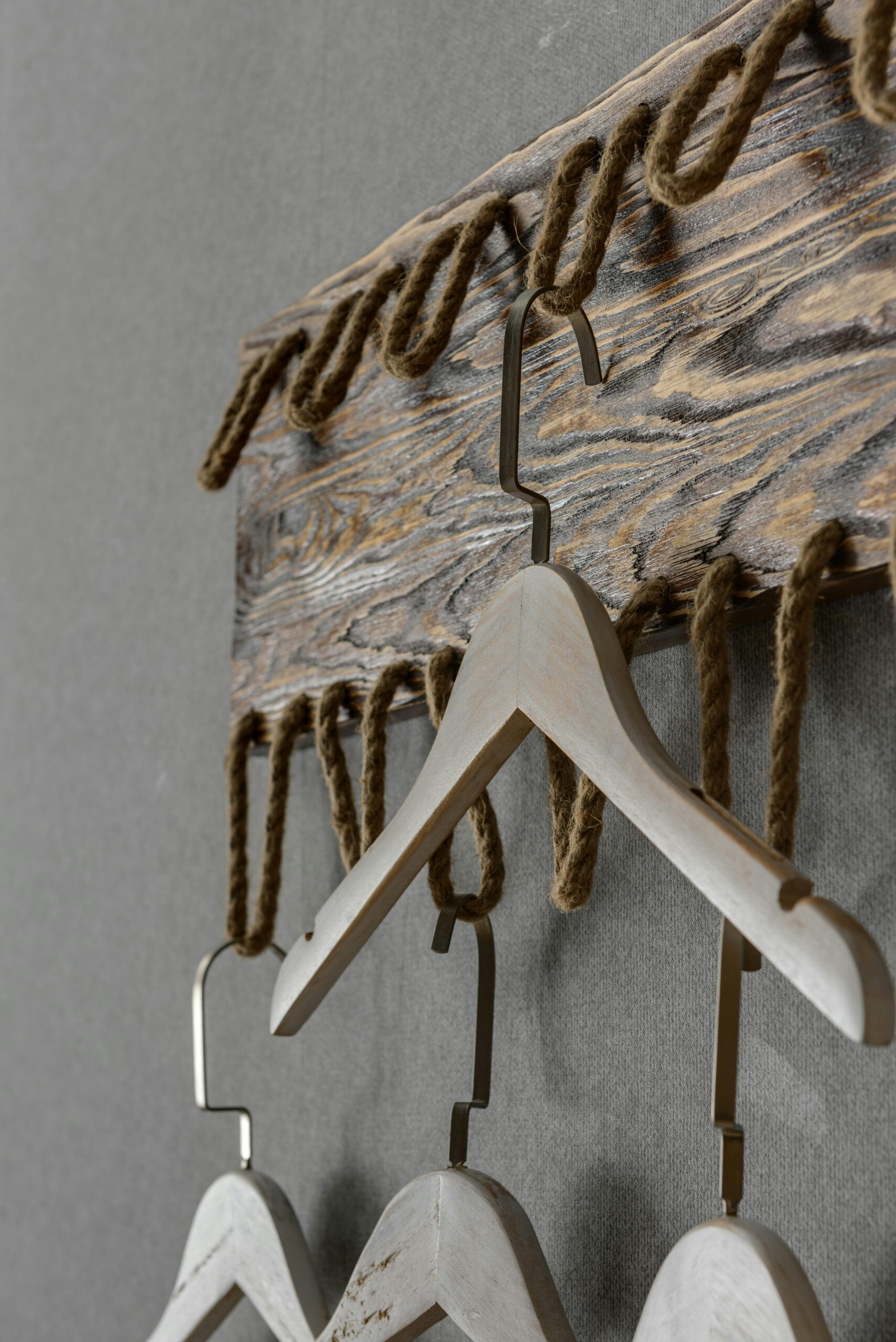
Hangers seem like a small detail to some, but they shape how customers judge the clothes you sell. The right hanger keeps garments in shape, improves how rails look and makes browsing easier. The wrong one can cause stretching, slipping, creasing and a messy rail that feels cheaper than your product deserves.
This guide explains the main retail hanger types, how to match them to clothing categories and how The Retail Factory’s hanger range helps you standardise across the store while staying flexible for different lines. It also covers wooden hangers vs plastic and provides a practical non-slip hangers guide.
Why hanger choice affects sales
A tidy rail converts better because shoppers can scan quickly and pull items without having to reach into a pile to find the right size and refold the item when done. Hangers also influence perceived value. A crisp wooden hanger can make a mid-price product feel more premium. A flimsy hanger can make a premium product feel less special.
A good hanger should do three jobs: support the garment properly, present it at the right angle and stay consistent across the rail so the range looks neat.
The main retail hanger types and what they are best for
Wooden hangers
Wooden hangers are sturdy and feel premium. They are ideal for heavier garments and for stores that want an upmarket finish.
Best for:
- Coats, jackets, blazers
- Knitwear on shaped hangers
- Trousers with a strong bar or clips
- Occasionwear where presentation matters
Trade-off: They cost more than basic plastic, and they take up slightly more space on tight rails.
Plastic hangers
Plastic hangers are versatile and cost-effective. They are often the easiest way to standardise across a store, especially for high volume ranges.
Best for
- T-shirts, shirts, blouses
- Light dresses
- Children’s ranges
- High turnover basics
Trade-off: Lower quality plastic can bend, and some styles allow garments to slip if the shoulder shape is wrong.
Metal hangers
Metal hangers are slim and maximise rail capacity. They can look clean and modern when consistent, but they need the right finish and shape to avoid slipping.
Best for
- Space-saving runs
- Light tops and shirts
- Back-of-house holding rails
- Pop-ups where you need slim kit
Trade-off: Poorly finished wire can snag, and thin shapes can distort knitwear and heavier garments.
Velvet or flocked non-slip hangers
These are a strong choice for garments that slide easily. They keep items in place and create a neat rail with minimal effort.
Best for
- Silks, satins, slips
- Wide neck tops
- Lightweight dresses
- Pieces displayed on slanted rails
Trade-off: They attract lint and need occasional cleaning, especially in darker colours.
Category matching: what to use, and why
Coats, jackets, and tailoring
Choose sturdy hangers with broad shoulders to support structure. This is where wooden hangers vs plastic becomes clear. Wood often wins for presentation and strength, but a high-quality thick plastic can also work if you prefer lighter rails.
Look for
- Broad shoulder shape
- Smooth finish to protect fabrics
- Strong hooks for heavy weight
Shirts, blouses, and light tops
A shaped plastic hanger is usually the most practical. Keep shoulder width consistent so rails look uniform. If you sell more premium shirts, wood can lift perceived value, but it is not essential if the plastic is high quality.
Look for
- Slim but supportive shoulder curve
- Rotating hook for fast merchandising
- Notches only if you use them
Knitwear and jumpers
Knitwear stretches easily. Avoid thin wire. Use shaped hangers with wider shoulders or fold and display on shelves for very heavy knits. For lighter knits that must hang, a broader profile prevents shoulder bumps.
Look for
- Wide shoulders
- Gentle curve
Dresses and occasionwear
Slip dresses and silky fabrics need grip. Non-slip hangers guide you in the right direction. Flocked or velvet hangers reduce sliding and keep straps where you want them. For heavier dresses, use a stronger body with non-slip shoulders.
Look for
- Non-slip shoulder surface
- Notches for straps
- Enough strength for weight
Trousers and skirts
Clips matter more than material. Cheap clips leave marks. Good clips hold firmly without damaging. Bars work well for trousers, clips work well for skirts and some tailored trousers.
Look for
- Smooth clip pads
- Strong spring action
- Bar that does not rust or stain
Lingerie and swim
Small straps, light fabrics and set selling are the priorities. Non-slip options, strap notches and compact sizes keep items neat.
Look for
- Notches and grip
- Smaller hanger sizes
- Compatibility with multi-pack displays
Children’s clothing
Use child-specific sizes so garments sit correctly and rails look orderly. Using adult hangers for kids’ ranges makes the product look ill-fitted and messy.
Look for
- Correct width for the age range
- Rounded edges
- Lightweight but durable build
Rail presentation rules that lift conversion
- Standardise hanger colour and hook direction across the store
- Match hanger size to garment size so shoulders sit correctly
- Keep spacing consistent so rails do not feel crammed
- Replace damaged hangers immediately, even one broken piece lowers the whole rail
- Use size dividers to reduce browsing time and improve flow
A practical non-slip hangers guide
Non-slip hangers are best for garments that slide, twist, or fall off when customers browse. Use them in targeted zones rather than everywhere if you want to control costs.
Use non-slip hangers for:
- Satin, silk, chiffon
- Off-shoulder and wide neck styles
- Lightweight dresses, slips
- Scarves and accessories on strap-style hangers
Avoid for:
- Heavy outerwear
- Very bulky knits
- Items that shed lint heavily unless you have a cleaning routine
How The Retail Factory can help you standardise
The Retail Factory carries a wide range of hangers so you can build a simple system: one main hanger type for most garments, plus a small set of specialist hangers for tricky categories. That approach keeps ordering simple and rails consistent, while still protecting product quality.
A common setup is a premium line of wooden hangers for outerwear and tailoring, a strong plastic hanger for everyday tops and a non-slip option for silky pieces and strap garments. Add trouser bars and skirt clips where needed, and you have a system that covers almost everything without constant switching. For help getting the right hangers for your shop, browse our Shop.
Latest Posts
- Retail Fixture Maintenance: How to Keep…
- Product Adjacencies: How to Merchandise for…
- Sightlines in Retail: How to Guide…
- Visual Merchandising Fundamentals: Key Terms Every…
- Retail Zoning Explained: How to Structure…
- Gridwall vs Slatwall: Choosing the Right…
- Display Plinths Explained: When and How…
- Spring Retail Window Displays: Fresh Visual…
- How to Prepare Your Store for…
- Sports Retail Display Strategies: From Athleisure…